Jonás Cuarón premieres 'Campeón gabacho' at the Morelia Festival
Director Jonás Cuarón and actor Juan Daniel García Treviño presented the film Campeón gabacho at the Morelia International Film Festival.
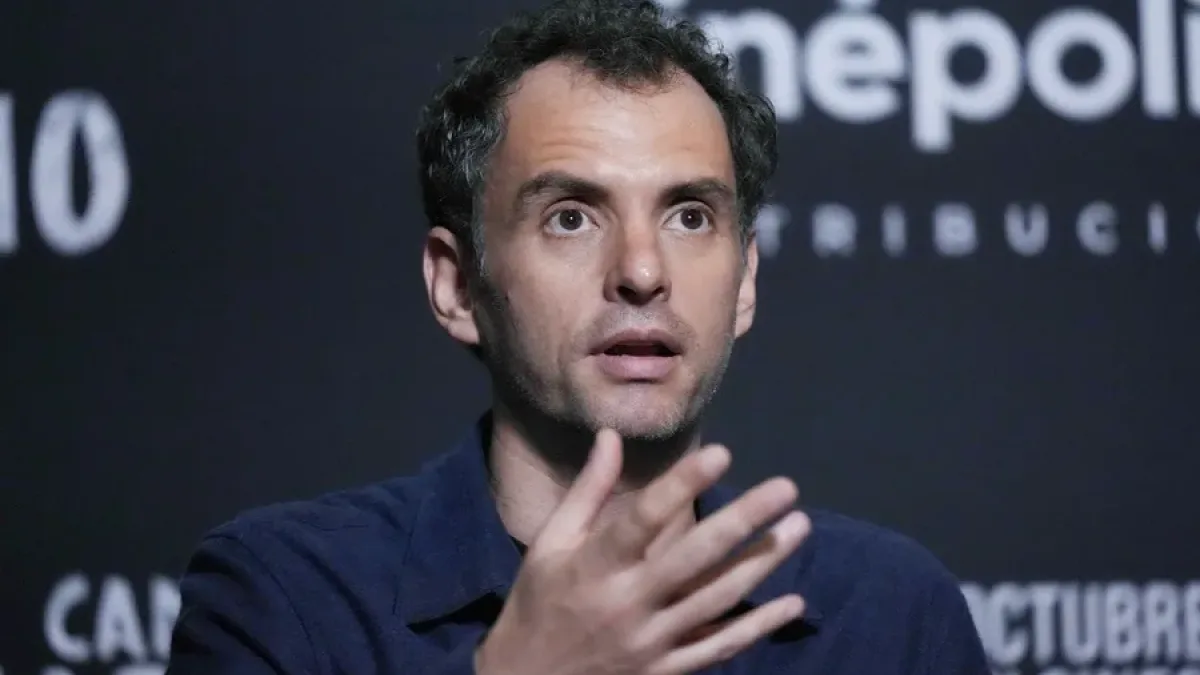
My seventh-art and culture people, grab your popcorn because there's heavy movement in Aztec lands. The renowned Mexican director Jonás Cuarón spilled the beans this Friday, October seventeenth, two thousand twenty-six, during the Morelia International Film Festival in Michoacán, Mexico. The filmmaker arrived with flag held high to inaugurate the twenty-fourth edition of the event with his latest feature film titled Campeón gabacho.
During his time at the festival, the director confessed that he has been shaping stories about migration for over a decade. He recalled that his path on this topic started with the film Desierto in the year two thousand fifteen, shot right in the era of Trump's first presidency alongside García Bernal and Jeffrey Dean Morgan. Now, ten years later, he feels the situation remains just as delicate or worse, which awakened in him a subconscious need to create characters that inspire our people.
This new jewel of the big screen, Campeón gabacho, is based on the homonymous novel by writer Aura Xilonen. The plot follows the footsteps of Liborio, a young Mexican migrant who crosses the border into the United States irregularly. Once in New York, the protagonist stumbles upon love, books, the world of boxing, and the harsh beatings of immigration authorities, standing up to them with tremendous resistance.
El elenco is pure luxury Latin talent so no one is left thirsty for good showbiz. The story features figures the caliber of Panamanian singer-songwriter Rubén Blades, who plays the director of a shelter for migrant children, in addition to the participation of Leslie Grace and Dolores Heredia forming that support network for the main character.
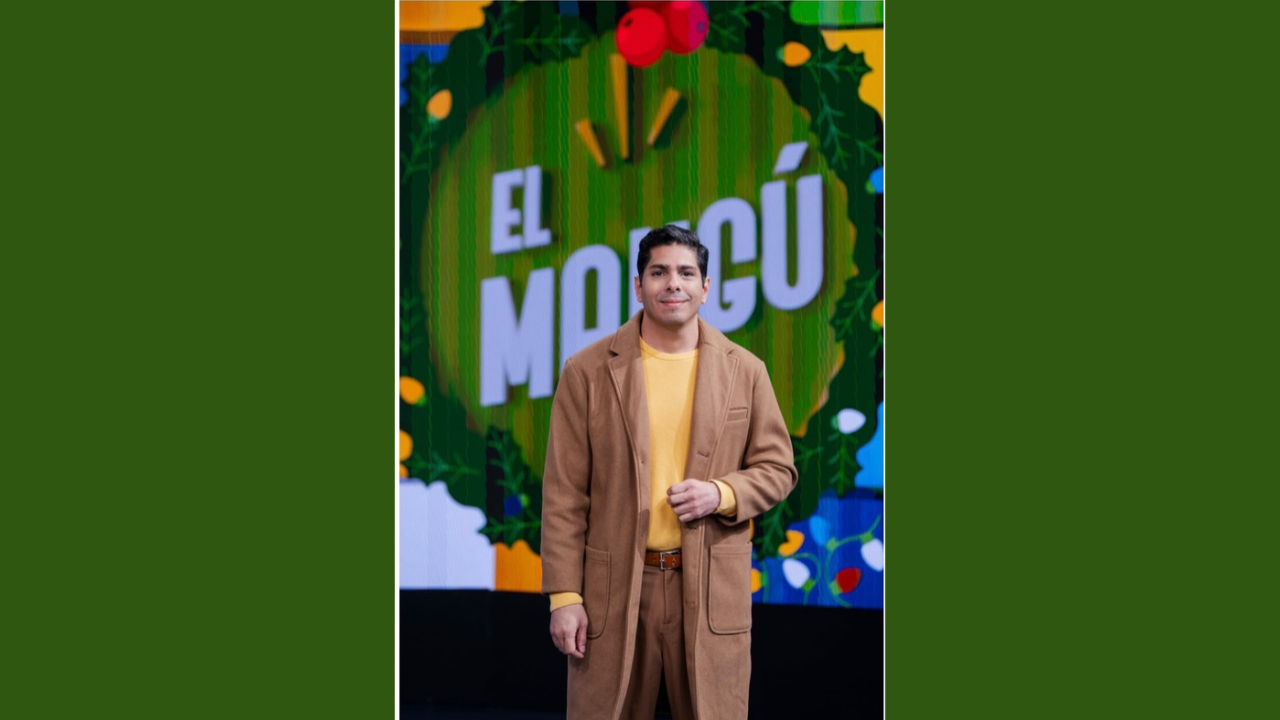
For his part, the protagonist who brings Liborio to life is Juan Daniel García Treviño, a twenty-six-year-old actor originally from Monterrey. The performer commented that he dreamed of a boxer role to break away from the stereotype of the typical migrant always seen on the big screen. Furthermore, he confessed that he identifies a lot with his characters because he himself comes from an area with invisible identities, which allows him to connect with that struggle to raise his voice and speak with his own style, mixing languages like 'ingleñol'.
To wrap it up with a flourish, this production didn't come out of nowhere, as it was conceived ten years ago and its filming took off hand in hand with his father, Oscar-winning filmmaker Alfonso Cuarón, and Venezuelan producer Gabriela Rodríguez. This shows that family and talent cross borders to keep the name of our people flying high at the most talked-about festivals on the planet.
This cinematic move matters a lot to lovers of Latin culture because it shows that cinema can be a loudspeaker for our realities without falling into the usual clichés. Seeing figures like Rubén Blades, Leslie Grace, and new talents shining in productions of this caliber reminds us that our stories deserve to be told with dignity and strength. It's worth keeping a close eye on Jonás Cuarón's career and the impact of this film in movie theaters, because it opens the debate on how we are represented in the international landscape.